Rocky Shores:
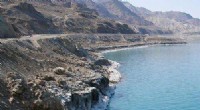
* Terrain: Characterized by exposed bedrock, often with pools and crevices.
* Exposure: Faces the full force of waves and tides, making them a harsh environment.
* Plants: Limited due to the lack of soil and harsh conditions, with mainly algae, barnacles, and some hardy seagrasses.
* Animals: Home to a diverse range of marine creatures adapted to the rocky environment, including sea urchins, starfish, crabs, mollusks, and even some fish.
* Key features:
* Intertidal Zones: The rocky shore exhibits distinct zones with different organisms based on how long they are submerged.
* Tidal Pools: These depressions in the rocks hold water even at low tide, providing a haven for marine life.
* Coastal Defense: Rocky shores offer natural protection against erosion and storms.
Mangrove Forests:
* Terrain: Composed of salt-tolerant trees and shrubs growing in muddy, brackish water.
* Exposure: Found in sheltered areas, often in estuaries and lagoons, where freshwater and saltwater mix.
* Plants: Dominated by mangrove trees, which have adapted to survive in salty, oxygen-poor conditions, with unique features like prop roots for stability and pneumatophores for breathing.
* Animals: Home to a rich variety of wildlife including fish, crabs, birds, reptiles, and even mammals like the mudskipper.
* Key features:
* Nursery Habitat: The complex root systems provide shelter and food for juvenile fish and other marine life.
* Coastal Protection: Mangroves act as natural buffers against storm surges and erosion.
* Carbon Sequestration: Mangrove forests are highly efficient at absorbing carbon dioxide from the atmosphere.
In summary:
* Rocky shores are exposed and harsh, supporting a unique community of organisms adapted to the tidal fluctuations and wave action.
* Mangrove forests are sheltered and provide a more stable, nutrient-rich environment for a diverse range of wildlife, playing a crucial role in coastal protection and carbon sequestration.
Both rocky shores and mangroves are essential components of the Chek Jawa ecosystem, contributing to the island's rich biodiversity and ecological balance.