1. Understanding Atmospheric Circulation:
* Topography: Mountains, valleys, and plateaus impact wind patterns, precipitation, and temperature gradients. Forecasters need to know how these features modify air movement, causing rain shadows, channeling winds, and creating local microclimates.
* Ocean Currents: Warm and cold currents significantly influence coastal climates and weather patterns. Forecasters need to understand how these currents affect air temperature, humidity, and storm formation.
2. Predicting Weather Phenomena:
* Land-Sea Interactions: Understanding the difference in heat capacity between land and water allows forecasters to predict diurnal temperature swings, sea breezes, and land breezes.
* Elevation and Altitude: Higher altitudes have lower air pressure, influencing temperature and precipitation patterns. Forecasters need to adjust their predictions based on elevation changes.
* Vegetation: Forests, deserts, and grasslands have distinct impacts on airflow, evapotranspiration, and albedo, influencing weather patterns.
3. Understanding Local Weather Variations:
* Microclimates: Urban heat islands, lake effects, and other localized influences can drastically change weather conditions. Forecasters need to factor these local variations into their predictions.
* Terrain and Slope: The orientation and slope of land affect wind patterns, precipitation, and temperature. For example, mountains can create windward and leeward sides with distinct weather conditions.
4. Assessing Climate Change Impacts:
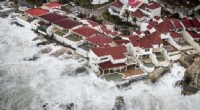
* Sea Level Rise: Understanding coastal geomorphology allows forecasters to assess the risk of flooding and storm surges due to climate change.
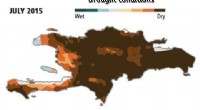
* Changing Precipitation Patterns: Physical geography provides context for understanding shifts in precipitation patterns caused by climate change, impacting water resources and agricultural productivity.
5. Effective Communication:
* Location-Specific Forecasts: Knowledge of physical geography allows forecasters to provide precise, location-specific forecasts, considering the unique characteristics of each region.
* Clear Explanations: By understanding the underlying geographical factors, forecasters can explain weather phenomena in an accessible and meaningful way to the public.
In conclusion, physical geography is a fundamental aspect of weather forecasting. By understanding the Earth's physical systems, forecasters can make more accurate predictions, provide targeted information, and effectively communicate weather events to the public.