Rome is a vibrant city with a long history, showcasing fascinating examples of human-environment interaction. Here are some key areas to consider:
1. Adaptation and Modification:
* Building on the River: The city of Rome was strategically built along the Tiber River, utilizing its resources for transportation, water supply, and defense. The Romans engineered aqueducts to bring water from distant sources, contributing to the city's growth and development.
* Urban Planning and Architecture: Romans were masters of urban planning, creating a grid system for their city, complete with public squares, baths, and temples. They utilized materials like marble and travertine for construction, shaping the city's architectural landscape.
* Terraces and Gardens: The Romans understood the importance of utilizing their hilly terrain. They built terraced gardens on the slopes of the Palatine and Aventine Hills, enhancing the city's beauty and providing food sources.
2. Impact and Adaptation:
* Pollution and Waste: The growth of Rome over centuries has led to environmental challenges. Pollution from traffic and industrial activities, combined with waste management issues, have impacted the city's air and water quality. However, the Romans are actively seeking solutions through sustainable practices and urban renewal initiatives.
* Climate Change and Urban Heat Island: Rome, like many cities, is susceptible to the effects of climate change. The urban heat island effect, amplified by concrete and asphalt, leads to higher temperatures in the city. This has prompted efforts to increase green spaces and adopt sustainable building practices.
* Resource Management: The city's reliance on the Tiber River for water necessitates careful management. The Roman authorities are actively implementing water conservation measures and improving wastewater treatment facilities.
3. Cultural and Artistic Expression:
* Parks and Gardens: Rome is renowned for its beautiful parks and gardens, such as the Borghese Gallery and Gardens and the Appian Way Regional Park. These spaces offer a respite from the urban environment and highlight the human desire to coexist with nature.
* Historical Monuments: The city's iconic landmarks like the Colosseum, Pantheon, and Trevi Fountain demonstrate the enduring impact of human creativity and ingenuity. These structures not only reflect the city's rich history but also serve as a testament to the human capacity to shape the environment.
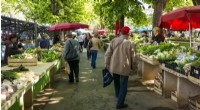
* Food and Agriculture: The Romans have long celebrated their agricultural heritage, with a strong emphasis on local produce and traditional recipes. This connection to the land is reflected in the city's thriving food markets and restaurants, where ingredients are carefully sourced and presented.
4. Sustainability and Future Planning:
* Urban Renewal and Greening Initiatives: Rome is actively seeking ways to improve its sustainability by promoting urban renewal projects, increasing green spaces, and developing eco-friendly transportation systems.
* Sustainable Tourism: The city is committed to responsible tourism practices, focusing on minimizing environmental impact and promoting sustainable development.
* Climate Action: Rome has committed to ambitious climate change mitigation and adaptation goals, including reducing greenhouse gas emissions and enhancing resilience to extreme weather events.
Conclusion:
Rome's journey exemplifies the complex and dynamic relationship between humans and their environment. The city's history is marked by both successes and challenges, highlighting the constant need for adaptation, innovation, and responsible resource management. By understanding these interactions, we can gain valuable insights into how to create more sustainable and resilient urban environments for the future.