Here's why:
* "Woodland" is a broad term. It refers to any area with a significant amount of trees, but it doesn't specify a specific type of tree or the density of the forest.
* Climate influences the types of trees that can grow. Temperate forests are different from tropical forests, and both are different from boreal forests.
Here are some examples of the climates where woodlands exist:
* Temperate: Think of the deciduous forests of North America and Europe. They have distinct seasons with warm summers and cold winters, and receive moderate rainfall.
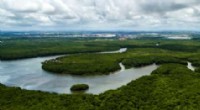
* Tropical: Think of rainforests and jungles. They are hot and humid year-round, with high rainfall.
* Mediterranean: Think of the woodlands in areas like California and the Mediterranean basin. They have hot, dry summers and mild, wet winters.
* Boreal: Think of the taiga, which is a cold, snowy biome with long winters and short, cool summers.
Instead of asking "what type of climate is a woodland," it's more helpful to ask "what type of woodland exists in this climate?"
To understand the climate of a specific woodland, you would need more information about its location, the types of trees that grow there, and the overall environmental conditions.