Pollution:
* Plastic Pollution: Plastic waste, from microplastics to large debris, pollutes the ocean, harming marine animals through ingestion, entanglement, and habitat destruction.
* Chemical Pollution: Industrial and agricultural runoff, including pesticides, fertilizers, and heavy metals, contaminate ocean waters, harming marine life and disrupting ecosystems.
* Oil Spills: Accidental oil spills release toxic substances, damaging marine habitats, killing wildlife, and impacting food webs.
Overfishing:
* Unsustainable Fishing Practices: Overfishing, illegal fishing, and destructive fishing methods like bottom trawling deplete fish populations and disrupt marine ecosystems.
* Bycatch: Non-target species are often caught and discarded as bycatch, leading to the deaths of countless marine animals, including dolphins, turtles, and sharks.
Climate Change:
* Ocean Acidification: As the ocean absorbs carbon dioxide from the atmosphere, it becomes more acidic, threatening the survival of coral reefs, shellfish, and other marine organisms.
* Rising Sea Temperatures: Warmer ocean waters can lead to coral bleaching, disrupt marine food webs, and exacerbate the effects of other stressors.
* Sea Level Rise: Rising sea levels threaten coastal ecosystems, including mangroves, salt marshes, and coral reefs, and displace marine life.
Coastal Development and Habitat Destruction:
* Coastal Infrastructure: Construction of harbors, ports, and other infrastructure along coastlines can destroy critical habitats and disrupt natural processes.
* Coastal Pollution: Runoff from coastal development, including sewage, agricultural waste, and stormwater, contaminates ocean waters.
* Sedimentation: Erosion and construction projects can release sediment into the ocean, smothering seagrass beds and coral reefs.
Other Threats:
* Noise Pollution: Human-made noise, from shipping, sonar, and seismic surveys, disrupts marine animal communication, navigation, and feeding.
* Invasive Species: Humans can introduce invasive species through ballast water, aquaculture, and other activities, which can outcompete native species and disrupt ecosystems.
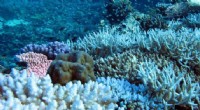
* Coral Reef Bleaching: Warming ocean waters, pollution, and other stressors contribute to coral bleaching, causing widespread damage to coral reefs, which are essential habitats for marine life.
These impacts have far-reaching consequences, affecting not only the health of the ocean but also the livelihoods of millions of people who depend on its resources. Protecting the ocean requires a multi-faceted approach, including reducing pollution, promoting sustainable fishing practices, addressing climate change, and conserving marine habitats.