Natural Systems:
* Origin: Formed through natural processes, like evolution, geology, and weather patterns.
* Purpose: Not designed for a specific purpose. They operate based on natural laws and interactions within the environment.
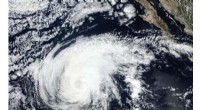
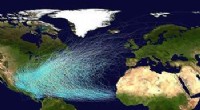
* Examples: Forests, oceans, ecosystems, weather systems, the human body.
* Characteristics:
* Complex and interconnected.
* Often self-regulating.
* Can be resilient but also vulnerable to disruption.
* Often exhibit emergent properties, meaning the whole system is more than the sum of its parts.
Manmade Systems:
* Origin: Designed and built by humans.
* Purpose: Created to serve a specific function or goal.
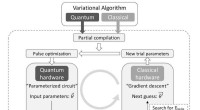
* Examples: Cars, computers, buildings, cities, the internet.
* Characteristics:
* Usually simpler than natural systems.
* Rely on human intervention for maintenance and operation.
* Can be highly efficient at achieving their purpose.
* Prone to failure if not properly maintained.
Here's a table summarizing the key differences:
| Feature | Natural System | Manmade System |
| --------------- | ----------------------------------------------------- | -------------------------------------------------------- |
| Origin | Formed through natural processes | Designed and built by humans |
| Purpose | No specific purpose, operates based on natural laws | Created to serve a specific function or goal |
| Complexity | Complex and interconnected | Usually simpler |
| Self-regulation | Often self-regulating | Requires human intervention for maintenance and operation |
| Resilience | Can be resilient but also vulnerable to disruption | Prone to failure if not properly maintained |
Important Note:
* While there's a clear distinction, the lines between the two can blur.
* Human activities can significantly impact natural systems, and many manmade systems are inspired by and interact with nature.
* For example, a manmade irrigation system is designed to mimic natural water cycles, and solar panels are inspired by the way plants capture energy from the sun.
Ultimately, understanding the differences between manmade and natural systems helps us appreciate their unique characteristics and the complex relationship between human activity and the environment.