Here's how they work:
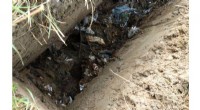
* Barriers: Levees are artificial barriers built along rivers, lakes, and coastlines. They are typically constructed from earth, sand, or other materials.
* Elevated: They are built higher than the surrounding land, creating a wall that holds back water during high water events.
* Flood Control: Levees act as a physical barrier to prevent water from overflowing and inundating nearby areas.
Here are some specific purposes of levees:
* Protecting agricultural land: Levees protect valuable farmland from flooding, ensuring food production.
* Protecting urban areas: They protect cities and towns from flood damage, safeguarding infrastructure and homes.
* Controlling water flow: Levees can be used to direct water flow, preventing erosion and managing water levels.
* Improving navigation: Levees can help maintain navigable waterways by keeping channels clear of sediment.
It's important to remember:
* Levees are not a foolproof solution to flooding. They can be breached by exceptionally high water levels or other events.
* Proper maintenance and monitoring are crucial for levee safety.
* There are environmental concerns associated with levees, such as changes to river ecosystems.