1. Physical Infrastructure and Landscape:
* Destruction of Cultural Sites: Earthquakes can demolish historical buildings, temples, monuments, and archaeological sites, leading to the loss of tangible cultural heritage.
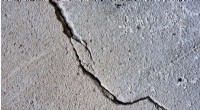
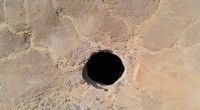
* Altered Landscapes: Earthquakes can shift landmasses, creating new landscapes and changing existing ones. This can affect the cultural significance of places and their connection to the past.
* Disrupted Infrastructure: Damage to transportation systems, communication networks, power grids, and water supply can disrupt daily life and cultural practices.
2. Community and Social Fabric:
* Displacement and Migration: Earthquakes can force communities to relocate, leading to disruptions in cultural transmission and social networks.
* Loss of Life and Trauma: The psychological trauma of experiencing an earthquake can have long-lasting effects on cultural identity and community cohesion.
* Social Solidarity and Resilience: Earthquakes can also foster community spirit and resilience, as people come together to support each other and rebuild.
3. Cultural Practices and Beliefs:
* Adaptation of Traditional Practices: Cultural practices may need to adapt to the altered environment, leading to innovations and new traditions.
* Reinterpretation of Myth and Folklore: Earthquakes can be incorporated into existing myths and folklore, reflecting cultural understandings of natural phenomena and the relationship between humans and the environment.
* Religious and Spiritual Impact: Earthquakes can trigger spiritual reflection, leading to renewed devotion, reinterpretations of religious beliefs, and the development of new rituals.
4. Artistic Expression and Memory:
* Art as a Response to Trauma: Earthquakes can inspire art, literature, and music that reflect the experience of loss, resilience, and cultural memory.
* Remembrance and Commemoration: Memorials and monuments are often erected to remember earthquake victims and mark the event, contributing to collective memory and cultural identity.
5. Cultural Policy and Development:
* Disaster Preparedness and Mitigation: Earthquakes can lead to changes in cultural policies related to disaster preparedness, risk assessment, and heritage conservation.
* Reconstruction and Cultural Revitalization: The rebuilding process offers an opportunity to enhance cultural infrastructure, promote traditional crafts, and revitalize cultural practices.
In conclusion, earthquakes are a complex and powerful force that can profoundly reshape the cultural environment. Their impact is not only physical but also social, psychological, and spiritual. It is important to understand these diverse dimensions to foster resilience, promote cultural preservation, and support the well-being of communities affected by earthquakes.