Based on Elevation:
* Mountains: High, steep landforms that rise above the surrounding area. They are often formed by tectonic plate movement, volcanic activity, or erosion.
* Hills: Elevated landforms, but smaller and with gentler slopes than mountains.
* Plateaus: Flat, elevated areas of land that are usually surrounded by steep slopes.
* Valleys: Depressions in the Earth's surface, often formed by rivers or glaciers.
Based on Water Bodies:
* Oceans: Vast bodies of salt water that cover most of the Earth's surface.
* Seas: Smaller bodies of salt water that are often partially enclosed by land.
* Lakes: Bodies of fresh or saltwater surrounded by land.
* Rivers: Flowing bodies of water that usually originate in mountains and flow to the sea or another body of water.
* Glaciers: Large, slow-moving masses of ice that are formed by the accumulation and compression of snow.
Based on Landforms:
* Canyons: Deep, narrow valleys that are often formed by the erosion of rivers.
* Deserts: Dry, barren areas of land that receive very little rainfall.
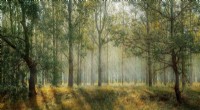
* Forests: Areas of land that are covered in trees.
* Grasslands: Areas of land that are covered in grass.
* Islands: Pieces of land that are surrounded by water.
* Peninsulas: Pieces of land that are almost entirely surrounded by water but connected to a larger landmass.
Based on Geological Features:
* Volcanoes: Openings in the Earth's crust that allow molten rock, ash, and gases to escape.
* Caves: Naturally formed underground spaces that are often created by the dissolution of rock.
* Faults: Fractures in the Earth's crust where rocks have moved past each other.
* Sand dunes: Hills of sand that are formed by wind.
This is just a basic overview, and there are many other ways to categorize physical features. For example, you could classify them based on their size, age, or geological formation.
It's important to note that these features are constantly changing, due to natural processes like erosion, weathering, and tectonic activity.