1. Increased Precipitation and Storms:
* More Intense Rainfall: Warmer temperatures lead to increased evaporation, which results in more water vapor in the atmosphere. This leads to more intense rainfall events and increased runoff, which can accelerate erosion.
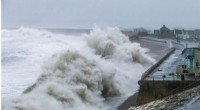
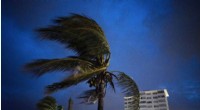
* More Frequent Storms: Warmer oceans lead to more frequent and intense storms, such as hurricanes and typhoons. These storms can cause significant coastal erosion due to high winds, storm surges, and heavy rainfall.
* Changes in Precipitation Patterns: Some areas may experience more droughts while others face increased rainfall, leading to shifts in erosion patterns.
2. Melting Glaciers and Ice Sheets:
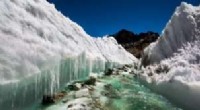
* Sea Level Rise: As glaciers and ice sheets melt, they contribute to rising sea levels. This can lead to increased coastal erosion as waves erode shorelines and storm surges have a greater impact.
* Changes in River Flow: Melting glaciers and ice sheets can increase river flows, leading to higher water velocities and increased erosive power.
3. Changes in Vegetation:
* Increased Wildfires: Warmer temperatures and drier conditions can increase the frequency and intensity of wildfires. Wildfires can destroy vegetation, exposing soil to erosion.
* Changes in Plant Communities: Warmer temperatures and altered precipitation patterns can lead to changes in plant communities. This can affect the stability of slopes and increase erosion.
4. Permafrost Degradation:
* Thawing Ground: Permafrost, permanently frozen ground, is thawing due to rising temperatures. Thawing permafrost weakens the soil structure and increases susceptibility to erosion.
* Release of Methane: Thawing permafrost releases methane, a potent greenhouse gas, which contributes to further global warming and perpetuates the cycle of erosion.
5. Coastal Erosion:
* Sea Level Rise: As mentioned before, rising sea levels directly impact coastal erosion.
* Ocean Acidification: Increased CO2 in the atmosphere is absorbed by the ocean, leading to ocean acidification. This weakens coral reefs and other marine organisms, contributing to coastal erosion.
Overall, global warming exacerbates erosion in various ways, leading to:
* Loss of Soil: Eroded soil can be lost to rivers, oceans, or deserts, reducing soil fertility and agricultural productivity.
* Land Degradation: Erosion can lead to land degradation, reducing the land's ability to support vegetation and human activities.
* Coastal Retreat: Coastal erosion can lead to the loss of valuable coastal land, infrastructure, and ecosystems.
Solutions to mitigate erosion:
* Reduce greenhouse gas emissions: This is key to slowing global warming and its impacts on erosion.
* Implement sustainable land management practices: These include reducing deforestation, improving soil health, and using erosion control techniques.
* Coastal protection measures: These can include seawalls, breakwaters, and beach nourishment.
* Adaptive management: This involves monitoring erosion rates and adapting management practices accordingly.
It is important to note that the impacts of global warming on erosion are complex and vary geographically. However, the overall trend is clear: global warming is increasing erosion rates and exacerbating its consequences.