Here are some examples of landforms created by secondary forces:
Erosion:
* Canyons: Created by the erosive power of rivers cutting through rock over millions of years.
* Valleys: Often carved by rivers, glaciers, or wind erosion.
* Sea Cliffs: Formed by the relentless action of waves crashing against the coastline.
* Sand Dunes: Shaped by wind erosion and deposition of sand.
* Badlands: Arid regions with complex, sculpted landscapes created by erosion.
* Arches, Hoodoos, and Natural Bridges: Often formed by weathering and erosion of rock formations.
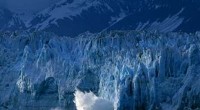
* Glacial Valleys, Cirques, and Moraines: Sculpted by the immense power of glaciers.
Deposition:
* Sandbars: Accumulations of sand deposited by currents in rivers or oceans.
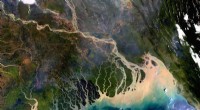
* Deltas: Triangular landforms created by the deposition of sediment at the mouth of a river.
* Alluvial Fans: Fan-shaped deposits of sediment at the base of mountains.
* Loess Plains: Vast areas of wind-blown silt and clay.
Other Processes:
* Sinkholes: Depressions in the ground formed by the dissolution of soluble rock.
* Karst Topography: A landscape characterized by sinkholes, caves, and underground drainage.
* Volcanic Craters and Calderas: Depressions formed by volcanic eruptions.
It's important to note that these landforms are often a combination of both primary and secondary forces. For example, mountains are initially created by plate tectonics (primary force), but their final shape and features are often sculpted by erosion (secondary force).
Overall, secondary forces play a crucial role in shaping the Earth's surface, creating diverse and complex landscapes.