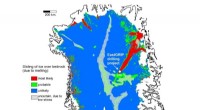
* Spring Melt: The primary reason for increased water flow in wetlands during the spring is snowmelt. During winter, snow accumulates in higher elevations, and as temperatures warm in spring, this snow melts and flows downhill. This runoff is a major source of water for wetlands, especially in areas with significant snowfall.
* Summer Rainfall: While rainfall can contribute to wetland water levels in the summer, it's often less consistent and less impactful than spring melt. In many regions, summers are drier, leading to less precipitation and less runoff.
* Evapotranspiration: Summer temperatures are higher, leading to increased evaporation from the wetland surface and transpiration from plants. This loss of water can offset any rainfall or runoff during the summer months.
* Groundwater: Wetlands can also be fed by groundwater, which is generally more consistent throughout the year. However, groundwater levels can fluctuate based on rainfall and other factors, and they may not be as significant as surface water sources in some wetlands.
Therefore, while overall water volume might be higher in the spring due to snowmelt, it's not necessarily a direct increase in fresh water flow. The composition of the water in wetlands can vary depending on the specific sources and seasonal conditions.