Here's a breakdown:
Grassland:
* Water: Receives moderate rainfall, with periods of drought. Soil is well-drained.
* Vegetation: Dominated by grasses, with scattered trees and shrubs in some areas.
* Examples: Prairies, savannas, steppes.
* Adaptations: Plants have deep roots to access water during droughts, and many are fire-resistant.
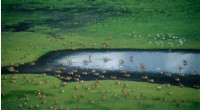
Wet Grassland:
* Water: Receives high rainfall, with waterlogged soil for at least part of the year.
* Vegetation: Dominated by grasses adapted to wet conditions, often including rushes, sedges, and other moisture-loving plants. Trees are typically absent.
* Examples: Marshes, swamps, wet meadows.
* Adaptations: Plants have specialized roots that tolerate oxygen-poor conditions and may be able to withstand flooding.
Here's a table summarizing the key differences:
| Feature | Grassland | Wet Grassland |
|---|---|---|
| Water | Moderate rainfall, well-drained soil | High rainfall, waterlogged soil |
| Vegetation | Grasses, scattered trees/shrubs | Grasses, rushes, sedges |
| Examples | Prairies, savannas, steppes | Marshes, swamps, wet meadows |
| Adaptations | Deep roots, fire resistance | Specialized roots for wet conditions, flood tolerance |
In short: Wet grasslands are wetter and have vegetation adapted to waterlogged conditions, while grasslands are drier and have vegetation that can survive periods of drought.