* Sublimation: Ice can directly change from a solid to a gas (water vapor) without becoming a liquid. This process is called sublimation.
* Temperature and Pressure: The rate of sublimation increases with warmer temperatures and lower air pressure.
* Moist Air: When the air around ice is relatively moist, it can hold more water vapor.
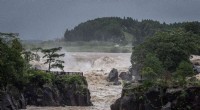
* Visibility: As the water vapor from the ice mixes with the surrounding air, it can form a visible mist or fog.
So, the mist you see is essentially tiny water droplets that have formed from the water vapor that sublimed from the ice.