1. Temperature:
- Average annual temperature and seasonal temperature variation are key.
- Higher temperatures support tropical biomes, while colder temperatures favor tundra or boreal forests.
2. Precipitation:
- Amount and seasonal distribution of precipitation are critical.
- High rainfall supports rainforests, while low rainfall leads to deserts.
3. Sunlight:
- The amount of sunlight reaching a particular location influences plant growth and energy flow within the ecosystem.
4. Elevation and Latitude:
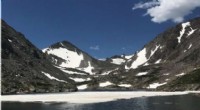
- As elevation increases, temperatures generally decrease, leading to biomes like alpine tundra.
- Latitude affects sunlight intensity and seasonal variation, influencing the distribution of biomes like temperate forests and grasslands.
Other contributing factors include:
1. Soil type:
- Soil composition and nutrient availability influence plant growth and the types of organisms that can thrive in a particular biome.
2. Topography:
- Mountain ranges, valleys, and other topographic features influence microclimates and the distribution of biomes.
3. Fire regimes:
- The frequency and intensity of fires can shape plant communities and influence the development of specific biomes like savannas.
4. Human activities:
- Land use changes, pollution, and climate change are increasingly affecting the distribution and health of biomes.
These factors interact in complex ways to determine the type of biome that forms in a particular location. It's important to remember that biomes are not always clearly defined, and transitions between them can be gradual.