Here's why:
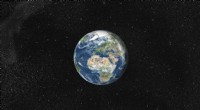
* It encompasses all life: The biosphere includes all living organisms, from the smallest bacteria to the largest whales, and all the ecosystems they inhabit.
* It extends from the depths of the ocean to the highest mountain peaks: Life exists in a variety of environments, including the atmosphere, the hydrosphere (oceans, lakes, rivers), and the lithosphere (rocks and soil).
* It's a complex web of interactions: All living organisms within the biosphere interact with each other and their environment in a complex web of relationships. This includes predator-prey relationships, competition for resources, and symbiotic relationships.
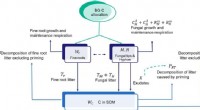
* It's a self-regulating system: The biosphere is a dynamic and self-regulating system. It maintains a balance through various cycles, such as the water cycle, the carbon cycle, and the nitrogen cycle.
Other examples of biospheres on a smaller scale:
* A rainforest: A rainforest is a diverse ecosystem with a high density of plant and animal life. It plays a critical role in regulating the global climate and maintaining biodiversity.
* A coral reef: A coral reef is a complex ecosystem teeming with marine life. It provides food and shelter for a wide variety of species and protects coastlines from erosion.
* A lake or pond: A lake or pond is a self-contained ecosystem with its own unique set of organisms and interactions.
While the Earth is the only known biosphere containing life as we know it, the concept of a biosphere is used to study and understand other planets or moons that might harbor life in the future.