1. Land Use Change:
* Deforestation: Clearing forests for agriculture, logging, urbanization, and other human activities is a major driver of vegetation change. This loss of trees disrupts ecosystems, alters climate, and reduces biodiversity.
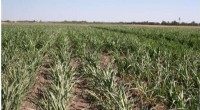
* Agriculture: Converting land for crop production and livestock grazing significantly alters vegetation, often replacing natural vegetation with monocultures. This can lead to soil degradation, water pollution, and habitat loss.
* Urbanization: Expanding cities and infrastructure replace natural vegetation with concrete, asphalt, and buildings, fragmenting habitats and altering natural ecosystems.
2. Climate Change:
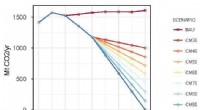
* Greenhouse gas emissions: Human activities, primarily burning fossil fuels, release greenhouse gases into the atmosphere, leading to global warming. This can change rainfall patterns, alter temperatures, and affect vegetation distribution, potentially leading to shifts in vegetation zones.
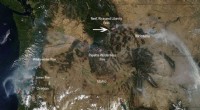
* Increased frequency and intensity of wildfires: Climate change can increase the risk of wildfires, which can alter vegetation composition and impact ecosystem regeneration.
3. Pollution:
* Air pollution: Industrial emissions, vehicle exhaust, and other sources of air pollution can damage plants, leading to reduced growth, leaf damage, and even death.
* Water pollution: Runoff from agriculture, industry, and urban areas can contaminate water sources, harming aquatic plants and vegetation along waterways.
4. Introduction of Invasive Species:
* Non-native plants: Intentional or accidental introductions of invasive plants can outcompete native species, altering vegetation composition and impacting biodiversity.
* Grazing animals: Introduced livestock can overgraze native vegetation, leading to soil erosion, habitat loss, and changes in vegetation structure.
5. Overexploitation:
* Overharvesting: Excessive harvesting of timber, medicinal plants, and other plant resources can deplete populations and alter vegetation structure.
6. Conservation Efforts:
* Reforestation: Planting trees to restore degraded forests can help mitigate the impact of deforestation and enhance biodiversity.
* Protected areas: Establishing parks and reserves protects natural vegetation from human disturbance and allows ecosystems to thrive.
7. Sustainable Practices:
* Sustainable agriculture: Practices that minimize soil erosion, conserve water, and reduce pesticide use help preserve vegetation and promote biodiversity.
* Renewable energy sources: Shifting away from fossil fuels reduces greenhouse gas emissions, mitigating climate change impacts on vegetation.
It's important to note that the impact of humans on vegetation regions is complex and can vary greatly depending on location, the specific activity, and management practices. Understanding these impacts and implementing sustainable practices are crucial for conserving biodiversity and ensuring the health of our planet's ecosystems.