Here's a breakdown:
* Biome: A major community of plants and animals living in a specific climate. Biomes are characterized by their dominant plant life, which is influenced by temperature and precipitation.
* Organisms: All the living things in a biome.
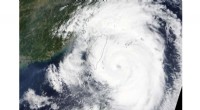
* Weather: The day-to-day atmospheric conditions, including temperature, precipitation, wind, and humidity.
Some common examples of biomes include:
* Tundra: Cold, treeless regions with permafrost.
* Taiga: Boreal forests with coniferous trees.
* Temperate deciduous forest: Forests with broad-leaved trees that lose their leaves in the fall.
* Grassland: Regions dominated by grasses and other herbaceous plants.
* Desert: Dry regions with sparse vegetation.
* Tropical rainforest: Hot, humid regions with dense vegetation.
While biomes have a consistent climate and organisms, there can be variations within them. These variations can be influenced by factors like elevation, soil type, and proximity to water.