Here's why:
* Climate and Hardiness Zones: Plants are adapted to specific climate conditions, including temperature, humidity, rainfall, and sunlight. Growing zones are based on the average minimum winter temperatures, which directly influence the types of plants that can thrive in a particular region.
* Plant Hardiness: Each plant species has a hardiness rating, indicating the range of temperatures it can tolerate. If you see plants that are typically considered "hardy" in a particular zone, it suggests that the area likely falls within that zone.
* Indicator Plants: Certain plant species are considered "indicator plants" because their presence indicates specific environmental conditions. For example, the presence of certain cacti might indicate a desert climate, while the presence of ferns might suggest a humid, shaded environment.
However, it's important to remember:
* Other factors: While plant types can give you clues about a growing zone, other factors can also play a role, such as soil type, elevation, and microclimates (small areas with unique climate conditions).
* Plant variability: The same plant species can sometimes grow in different zones, especially with human intervention like greenhouses or careful selection of cultivars.
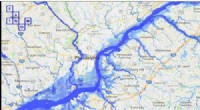
Therefore, while the type of plants in an area can provide valuable insight, it's not a definitive measure of the growing zone. It's always best to refer to official growing zone maps and consider all relevant environmental factors for a comprehensive understanding.