1. The Nature of the Change:
* Abiotic Factors: Changes in temperature, rainfall, sunlight, resource availability, or pollution can significantly impact a population.
* Biotic Factors: Changes in predator-prey relationships, disease outbreaks, or competition for resources can also pose challenges.
2. The Population's Characteristics:
* Genetic Diversity: A population with high genetic diversity is more likely to have individuals with traits that allow them to adapt to the changing environment.
* Reproductive Rate: Populations with high reproductive rates can adapt faster to changes.
* Life History: Species with longer lifespans or slower growth rates may be less adaptable to rapid changes.
Possible Outcomes:
1. Adaptation:
* Evolutionary Adaptation: Over generations, individuals with traits that are advantageous in the new environment will reproduce more successfully, passing those traits to their offspring. This leads to gradual changes in the population's genetic makeup.
* Phenotypic Plasticity: Some organisms can adjust their physical traits or behavior in response to environmental changes within their lifetime. This is a more immediate response but doesn't involve changes in the genetic makeup of the population.
2. Extinction:
* If the environmental change is too rapid or severe, or the population lacks the necessary genetic diversity, the population may not be able to adapt and go extinct.
3. Migration:
* Some populations may migrate to areas with more favorable conditions. This can lead to changes in the distribution of the species.
4. Reduced Population Size:
* The changing environment may cause a decline in population size due to increased mortality, reduced reproduction, or both.
5. Stress and Disease:
* The changing environment can cause stress to the organisms, making them more susceptible to diseases.
Examples:
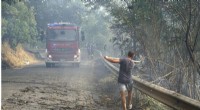
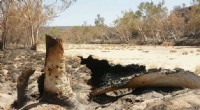
* Climate Change: Higher temperatures and altered rainfall patterns can impact plant growth, leading to changes in the distribution of herbivores and their predators.
* Pollution: Pollution can reduce the availability of resources or directly harm organisms, impacting population size and distribution.
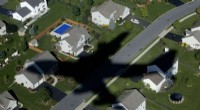
* Habitat Loss: Deforestation or urbanization can disrupt the habitat of a species, leading to population decline or extinction.
Overall, a population's response to changing environmental conditions is complex and depends on a multitude of factors. It can result in adaptation, extinction, migration, population decline, or other changes.