Here are some key aspects to consider:
Natural features:
* Landforms: Mountains, hills, valleys, plateaus, plains, deserts, glaciers, rivers, lakes, oceans, etc.
* Climate: Weather patterns, precipitation, temperature, etc.
* Vegetation: Forests, grasslands, tundra, etc.
* Geology: Rocks, minerals, soil types, etc.
Man-made features:
* Cities and towns: Residential areas, commercial districts, infrastructure.
* Roads and transportation: Highways, railways, airports.
* Agriculture: Farms, fields, irrigation systems.
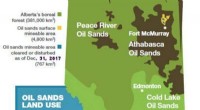
* Industrial facilities: Factories, power plants, mines.
Key characteristics:
* Location: Latitude and longitude coordinates
* Size: Area covered
* Shape: Form and outline
* Elevation: Height above sea level
* Orientation: Direction it faces
Purpose of understanding geographical features:
* Mapping and navigation: Identifying and locating places
* Environmental studies: Understanding ecosystems, natural resources, and climate change
* Resource management: Planning for sustainable use of land and water
* Urban planning: Designing and developing cities and towns
* Disaster preparedness: Understanding hazards and risks
Geographical features can be studied and analyzed at different scales, from local to global. They are crucial for understanding the Earth's physical environment and its impact on human societies.