1. Climate Change:
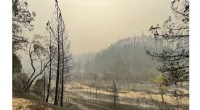
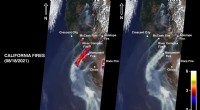
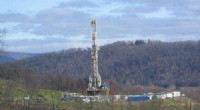
* Greenhouse Gas Emissions: Burning fossil fuels releases carbon dioxide and other greenhouse gases into the atmosphere, trapping heat and causing global warming. This leads to altered temperature patterns, changes in precipitation, and more extreme weather events.
* Deforestation: Cutting down forests reduces the planet's ability to absorb carbon dioxide, further contributing to climate change.
2. Water Resources:
* Pollution: Industrial waste, agricultural runoff, and sewage discharge contaminate water sources, affecting water quality for both humans and wildlife.
* Overuse and Depletion: Over-pumping groundwater and diverting rivers for irrigation can lead to water scarcity and even land subsidence.
* Dam Construction: Building dams alters natural water flow, impacting habitats downstream.
3. Soil:
* Erosion: Deforestation, intensive agriculture, and construction projects can erode topsoil, leading to soil degradation and reduced fertility.
* Pollution: Chemical fertilizers, pesticides, and industrial waste can contaminate soil, harming plant life and potentially entering the food chain.
* Compaction: Heavy machinery and livestock grazing can compact soil, reducing its ability to hold water and support plant growth.
4. Air Quality:
* Pollution: Burning fossil fuels, industrial processes, and vehicle exhaust release pollutants like sulfur dioxide, nitrogen oxides, and particulate matter into the air, negatively affecting respiratory health and harming plants.
* Ozone Depletion: Chemicals released from industrial processes have damaged the ozone layer, which protects us from harmful ultraviolet radiation.
5. Light:
* Artificial Light: Streetlights, building lights, and other sources of artificial light can disrupt natural light cycles, affecting the behavior of nocturnal animals and the timing of plant growth.
6. Noise:
* Noise Pollution: Traffic, construction, and industrial activities generate noise pollution that can stress wildlife, interfere with communication, and even cause hearing loss.
Consequences for Habitats:
These changes in abiotic factors can have devastating consequences for habitats:
* Habitat Loss and Fragmentation: Climate change, pollution, and land use changes can directly destroy habitats or fragment them, isolating populations and making them vulnerable to extinction.
* Biodiversity Loss: The loss of abiotic factors like clean water, healthy soil, and suitable temperatures can lead to a decline in plant and animal diversity.
* Ecosystem Imbalances: Changes in abiotic factors can disrupt food webs and ecological processes, creating imbalances within ecosystems.
Mitigation and Adaptation:
* Reducing Greenhouse Gas Emissions: Transitioning to renewable energy sources, improving energy efficiency, and promoting sustainable transportation can mitigate climate change.
* Protecting Natural Resources: Conserving forests, reducing pollution, and managing water resources sustainably are crucial for protecting habitats.
* Restoring Damaged Habitats: Reforestation, wetland restoration, and other habitat restoration efforts can help reverse the negative impacts of human activities.
* Adaptation Strategies: Developing strategies to adapt to changing abiotic factors, such as drought-resistant crops or flood-resistant infrastructure, can help minimize the negative impacts on habitats.
It's vital to understand the interconnectedness of abiotic factors and their impact on habitats. By taking action to mitigate human impacts and promote sustainable practices, we can help preserve the biodiversity and health of our planet's ecosystems.