1. Montane Forest:
* Found on the slopes of the Virunga Volcanoes and other high-altitude areas.
* Characterized by dense, evergreen forests with tall trees like African Mahogany, Giant Lobelia, and bamboo.
* Supports a rich biodiversity, including endangered mountain gorillas and golden monkeys.
2. Lowland Forest:
* Covers a smaller area compared to montane forests.
* Located in the lowlands and valleys.
* Consists of deciduous trees like Albizia, Brachystegia, and Terminalia.
* Often fragmented due to deforestation.
3. Grasslands:
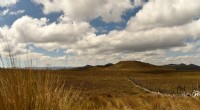
* Found in the drier areas, particularly in the east and south.
* Dominated by tall grasses, including elephant grass and star grass.
* Used for grazing livestock.
4. Wetlands:
* Includes swamps, marshes, and lakes.
* Important habitats for diverse flora and fauna, including papyrus reeds, water lilies, and various bird species.
5. Cultivated Land:
* Covers a significant portion of the country due to the high population density.
* Predominantly used for growing coffee, tea, bananas, and other crops.
6. Bamboo Forests:
* Found in various regions, particularly around volcanic slopes.
* Offer important resources for construction and other uses.
7. Savanna:
* A small area in the eastern part of the country exhibits savanna characteristics, with scattered trees and grasslands.
Challenges to Rwandan Vegetation:
* Deforestation: Rwanda faces significant deforestation due to population growth, agricultural expansion, and fuelwood collection.
* Climate Change: Increasing temperatures and unpredictable rainfall patterns threaten plant diversity.
* Land Degradation: Overgrazing and unsustainable farming practices lead to soil erosion and reduced fertility.
Conservation Efforts:
* National Parks: Rwanda has established national parks, such as Volcanoes National Park, to protect its unique montane forests and wildlife.
* Reforestation Programs: Government and NGOs are implementing reforestation initiatives to restore degraded areas.
* Sustainable Agriculture: Promotion of sustainable agricultural practices helps reduce deforestation and land degradation.
Rwanda's diverse vegetation is crucial for its biodiversity, water resources, and livelihoods. Conservation and sustainable management are essential to preserve this valuable natural asset.