1. Extreme Cold and Short Growing Season:
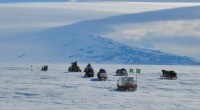
* Frozen Ground: The permafrost, permanently frozen ground, limits root growth and access to nutrients.
* Short Growing Season: The Arctic only has a few months of warmth and sunlight, limiting the time for growth and reproduction.
* Cold Temperatures: Plants must adapt to withstand extremely low temperatures that can damage cells.
2. Limited Sunlight and Long Nights:
* Low Light Levels: During the growing season, the sun is low in the sky, providing less light for photosynthesis.
* Long Nights: Plants have to adapt to periods of almost continuous darkness.
* Seasonal Variation: Plants must adapt to the dramatic changes in day length and light intensity throughout the year.
3. Harsh Weather and Climate Change:
* Strong Winds: Arctic winds can be strong and damaging, especially to small plants.
* Dry Conditions: Arctic environments are often dry, limiting water availability for plants.
* Climate Change: The Arctic is warming faster than other regions, causing changes in permafrost, growing seasons, and plant communities.
Adaptations of Arctic Plants:
To survive in these harsh conditions, Arctic plants have developed some amazing adaptations:
* Low-Growing: Many Arctic plants grow close to the ground to avoid strong winds and maximize heat absorption.
* Small Leaves: Smaller leaves reduce water loss and allow for faster warming in the sun.
* Hairy Surfaces: Some plants have hairy surfaces that trap heat and provide insulation.
* Rapid Growth: Plants have to grow quickly to take advantage of the short growing season.
* Pigments: Many Arctic plants have pigments like anthocyanins to help them absorb more sunlight.
* Reproductive Strategies: Some plants produce large numbers of seeds, ensuring some survive. Others have evolved to reproduce vegetatively, cloning themselves to spread quickly.
Impact of Climate Change on Arctic Plants:
* Shifting Ranges: As temperatures rise, some species are migrating northward, while others are struggling to adapt.
* Increased Competition: Changes in plant communities can lead to increased competition for resources.
* Invasive Species: Warmer temperatures are allowing some non-native species to invade Arctic ecosystems.
Understanding the challenges Arctic plants face and their adaptations is crucial to understanding the fragility of Arctic ecosystems and the impacts of climate change.