Portugal's environmental impact comes from a mix of factors, and the story isn't always black and white. Here's a breakdown:
Positive Impacts:
* Strong Environmental Laws and Policies: Portugal has implemented robust environmental legislation, such as the National Strategy for Sustainable Development and the Green Deal. This aims to combat climate change, conserve biodiversity, and promote circular economy.
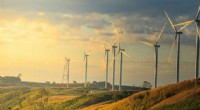
* Renewable Energy Growth: Portugal is a leader in renewable energy, with significant investment in solar, wind, and hydroelectric power. This reduces reliance on fossil fuels and lowers carbon emissions.
* Protected Areas: Portugal boasts a network of national parks, reserves, and protected areas, preserving diverse ecosystems and endangered species.
* Growing Environmental Awareness: Public awareness of environmental issues is increasing, driving demand for sustainable products and practices.
Negative Impacts:
* Tourism's Footprint: While tourism is crucial for the Portuguese economy, it also generates waste, pollution, and pressure on natural resources, especially in popular coastal areas.
* Urbanization and Infrastructure: Expanding urban areas and infrastructure development can fragment habitats, lead to soil erosion, and increase pollution.
* Water Scarcity: Portugal experiences periodic droughts, and overuse of water resources for agriculture and industry exacerbates water scarcity issues.
* Waste Management: Despite improvements, waste management remains a challenge. Landfill capacity is limited, and recycling rates could be higher.
Key Challenges:
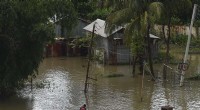
* Climate Change: Portugal is facing rising temperatures, extreme weather events, and sea level rise. These challenges require adaptation strategies and mitigation efforts.
* Biodiversity Loss: Habitat loss and degradation threaten Portugal's rich biodiversity, including endangered species like the Iberian lynx.
* Sustainable Development: Balancing economic growth with environmental sustainability remains a crucial goal. This requires innovative solutions, including promoting green businesses and fostering responsible consumption patterns.
Moving Forward:
To tackle these challenges, Portugal needs continued focus on:
* Investing in renewable energy: Expand renewable energy sources to decrease dependence on fossil fuels.
* Promoting sustainable tourism: Encouraging responsible tourism practices, minimizing environmental impact, and supporting local communities.
* Improving waste management: Strengthening recycling programs, reducing landfill reliance, and promoting circular economy principles.
* Conserving biodiversity: Protecting habitats, managing invasive species, and promoting ecological restoration.
* Raising public awareness: Educating citizens about environmental issues, promoting sustainable lifestyles, and encouraging participation in environmental initiatives.
The future of Portugal's environment hinges on finding innovative solutions and embracing a long-term vision of sustainable development. It's a journey that requires collective effort from individuals, businesses, and the government.