Location:
* Savannas are found in tropical and subtropical regions, usually between 10° and 20° latitude, both north and south of the equator.
Weather Patterns:
* Wet Season: During the summer months, the Intertropical Convergence Zone (ITCZ), a band of low atmospheric pressure that shifts north and south with the seasons, sits over the savanna regions. This brings heavy rainfall, creating the wet season.
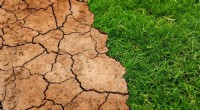
* Dry Season: As the ITCZ moves away during the winter months, the savanna regions experience a shift to high atmospheric pressure. This leads to descending air, which inhibits cloud formation and rainfall, resulting in the dry season.
Other Factors:
* Distance from the Equator: Savannas further away from the equator tend to have longer dry seasons.
* Topography: Mountain ranges and other geographic features can influence rainfall patterns.
* Winds: Winds can carry moisture, affecting the amount of rainfall received.
Impact on Savanna Ecosystems:
This distinct dry and wet climate is a defining characteristic of savannas and shapes the ecosystem in significant ways:
* Plant Adaptations: Plants have evolved to survive the prolonged dry season, developing adaptations such as deep roots, drought-resistant leaves, and the ability to store water.
* Animal Adaptations: Animals have also adapted to the seasonal changes, including migrating to find food and water, having specific breeding seasons during the wet season, and storing fat reserves during the dry season.
In summary: The combination of location, weather patterns, and other factors creates the unique dry and wet climate of savannas, influencing the plant and animal life that thrive in this environment.