1. Latitude:
- Equator: The tropics near the equator receive the most direct sunlight, leading to consistently warm temperatures and high humidity. This results in tropical rainforest climates.
- Mid-Latitudes: Moving away from the equator, the angle of sunlight becomes more oblique, leading to cooler temperatures and seasonal variations. This creates temperate climates with distinct seasons.
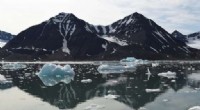
- High Latitudes: At higher latitudes, the sunlight strikes the Earth at an even greater angle, causing cold temperatures and long periods of darkness in winter. This results in polar and sub-polar climates.
2. Altitude:
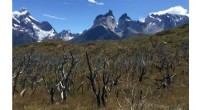
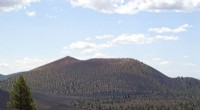
- Mountains: As elevation increases, temperature drops significantly. This leads to a variety of climates even within a relatively small geographical area, with high peaks experiencing snow and ice even in tropical regions.
- Plateaus: Plateaus, while generally high, can exhibit different climates depending on their location and wind patterns.
3. Ocean Currents:
- Warm Currents: Warm ocean currents bring warm, moist air to the coasts, moderating temperatures and increasing rainfall. This contributes to the presence of humid climates on the east coasts of both North and South America.
- Cold Currents: Cold ocean currents bring cool, dry air to the coasts, leading to cooler temperatures and drier climates. This is seen along the west coasts of both continents.
4. Wind Patterns:
- Trade Winds: These steady winds blow from east to west in the tropics, carrying moisture and influencing rainfall patterns.
- Westerlies: These winds blow from west to east in the mid-latitudes, bringing rain to the west coasts and creating drier climates in the east.
5. Topography:
- Mountain Ranges: Mountain ranges can act as barriers to wind and moisture, creating rain shadows on the leeward side with drier climates.
- Coastal Plains: Coastal plains, especially along the east coast of North America, are exposed to the influence of warm ocean currents and receive ample rainfall.
6. Landmasses:
- Continental Size: The vast size of North and South America allows for a wide range of climates, as different regions experience diverse weather patterns and varying distances from the equator.
7. Vegetation:
- Forests: Forests help regulate climate by absorbing moisture and releasing it back into the atmosphere.
- Grasslands: Grasslands are generally drier than forests, contributing to semi-arid or arid climates.
In summary, the complex interplay of latitude, altitude, ocean currents, wind patterns, topography, landmasses, and vegetation creates a wide array of climates in North and South America, resulting in diverse ecosystems and a wide range of plant and animal life.