Here's a breakdown:
* Community: This is a group of different populations of species living and interacting within a specific area. Think of all the plants, animals, fungi, and bacteria sharing a forest.
* Physical Environment: This includes all the non-living components of the area, like:
* Climate: Temperature, rainfall, sunlight, wind
* Soil: Composition, nutrients, pH
* Water: Availability, salinity, temperature
* Topography: Elevation, landforms, slope
Ecosystems are complex and interconnected:
* Interactions: The living (biotic) and non-living (abiotic) parts of an ecosystem constantly interact. Plants use sunlight and water to grow, animals eat plants and each other, and decomposers break down dead matter.
* Energy flow: Energy flows through an ecosystem, starting with sunlight and moving through producers (plants), consumers (animals), and decomposers.
* Nutrient cycling: Nutrients like carbon, nitrogen, and phosphorus are recycled within an ecosystem.
Examples of ecosystems:
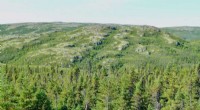
* Forests: Trees, shrubs, animals, fungi, bacteria, soil, sunlight, rainfall
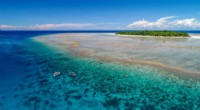
* Oceans: Fish, whales, algae, coral reefs, salt water, currents
* Grasslands: Grasses, herbivores, predators, soil, wind, temperature
* Deserts: Cacti, reptiles, insects, sand, low rainfall, extreme temperatures
Understanding ecosystems is crucial for conservation efforts, as they provide vital services like clean air, water, and food.