Natural resources are materials found in nature that humans use to meet their needs. They are essential for our survival and well-being and form the basis of our economy.
Here's a breakdown:
Types of Natural Resources:
* Renewable: Resources that can be replenished naturally over a relatively short period, like:
* Solar energy: Energy from the sun.
* Wind energy: Energy from moving air.
* Hydropower: Energy from flowing water.
* Biomass: Energy from organic matter, like wood or crops.
* Forest products: Timber, wood products, fruits, etc.
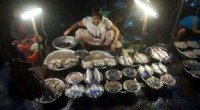
* Fish and other seafood: Living resources in aquatic ecosystems.
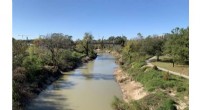
* Freshwater: Water suitable for drinking and other uses.
* Non-renewable: Resources that are formed over millions of years and cannot be replenished at a rate comparable to their consumption, like:
* Fossil fuels: Oil, coal, and natural gas.
* Minerals: Metals like iron, copper, and gold, and non-metals like limestone and sulfur.
* Groundwater: Water stored beneath the Earth's surface, which can be replenished slowly.
* Other:
* Land: Includes all the natural features on Earth, like mountains, valleys, and forests.
* Air: The atmosphere that surrounds the Earth.
Importance of Natural Resources:
* Survival: We need food, water, and shelter, all provided by nature.
* Economic Development: Resources fuel industries, provide employment, and generate revenue.
* Environmental Sustainability: Responsible use of natural resources ensures their availability for future generations.
Challenges:
* Over-exploitation: Using resources faster than they can be replenished.
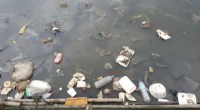
* Pollution: Contamination of resources with harmful substances.
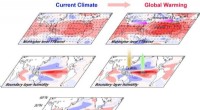
* Climate change: Impacts on resource availability and distribution.
Conservation:
* Sustainable use: Using resources wisely and efficiently to minimize waste.
* Recycling and reuse: Extending the life of resources by repurposing them.
* Renewable energy: Switching to energy sources that are sustainable and less polluting.
It's crucial to understand the value of natural resources and use them responsibly to ensure a sustainable future for all.