Main Features of Natural Resources:
* Naturally Occurring: They exist in nature without human intervention. This distinguishes them from manufactured goods or resources created through human ingenuity.
* Finite or Renewable: Resources can be finite, meaning they exist in limited quantities and can be depleted with overuse (like fossil fuels). Others are renewable, like solar energy or wind power, meaning they naturally replenish themselves.
* Value to Humans: Resources are valued for their ability to satisfy human needs and wants. This can be for basic survival (like water and food) or for economic development (like minerals and timber).
* Dependence on Location: Natural resources are geographically distributed unevenly. Some regions are rich in certain resources while others are scarce, leading to trade and resource management challenges.
* Potential for Conflict: Scarcity of resources, especially those crucial for economic growth, can lead to conflict and competition between individuals, communities, and nations.
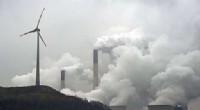
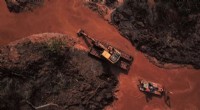
* Environmental Impact: The extraction, use, and disposal of natural resources often have significant environmental consequences. This includes pollution, habitat loss, and climate change.
* Sustainability: The concept of sustainable resource management emphasizes using resources in a way that meets present needs without compromising the ability of future generations to meet their own needs. This involves careful planning, efficient use, and alternative resource exploration.
Examples of Natural Resources:
* Renewable: Solar energy, wind energy, hydropower, biomass, geothermal energy, water, forests, fisheries
* Non-Renewable: Fossil fuels (coal, oil, natural gas), minerals (iron ore, copper, gold), groundwater
Understanding the characteristics of natural resources is crucial for informed decision-making about their utilization, conservation, and management to ensure their sustainable and responsible use for present and future generations.