Mineral Resources:
* Gold: Mindanao is the top gold producer in the Philippines, with major deposits in the provinces of Davao, Surigao del Norte, and Compostela Valley.
* Copper: Large copper deposits are found in the Agusan del Norte, Surigao del Norte, and Zamboanga del Norte provinces.
* Nickel: Mindanao holds significant nickel reserves, particularly in the provinces of Palawan, Surigao del Norte, and Dinagat Islands.
* Chromite: Found in significant amounts in the Zamboanga peninsula.
* Iron Ore: Deposits are present in the provinces of Surigao del Norte, Agusan del Norte, and Davao.
* Manganese: Found in the provinces of Surigao del Norte and Agusan del Norte.
Forest Resources:
* Timber: Mindanao boasts vast forested areas, with diverse hardwoods and softwoods.
* Non-timber forest products: These include rattan, bamboo, resins, medicinal plants, and various fruits and nuts.
* Biodiversity: Mindanao is home to a remarkable variety of plant and animal species, contributing to its rich biodiversity.
Agricultural Resources:
* Rice: A staple crop, grown extensively in the major plains and valleys.
* Corn: A significant crop, particularly in the interior regions.
* Fruits: Mindanao is renowned for its diverse fruit production, including bananas, mangoes, pineapples, durian, and others.
* Coffee: Arabica and Robusta coffee are grown in the mountainous areas, contributing to the Philippines' coffee industry.
* Rubber: Planted in various provinces, contributing to the country's natural rubber production.
* Coconut: A major crop, particularly in the coastal areas, providing copra and coconut oil.
Marine Resources:
* Fisheries: Mindanao's coastline offers a rich fishing ground for various species, including tuna, sardines, mackerel, and shellfish.
* Coral reefs: The island's coastal waters harbor numerous coral reefs, essential for marine biodiversity and tourism.
* Marine Protected Areas: Several marine protected areas are established to conserve diverse marine life and ecosystems.
Other Resources:
* Geothermal Energy: Mindanao has significant geothermal potential, with several operating power plants.
* Hydropower: The island's numerous rivers and waterfalls offer considerable potential for hydropower generation.
* Tourism: Mindanao's natural beauty, diverse cultures, and historical sites attract a growing number of tourists.
Challenges:
While rich in resources, Mindanao faces challenges in managing and utilizing them sustainably. These include:
* Deforestation: Illegal logging and land conversion threaten the island's forests and biodiversity.
* Mining Impacts: Mining operations can lead to environmental degradation and social conflicts if not properly managed.
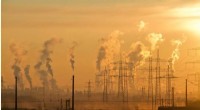
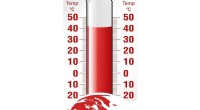
* Climate Change: Increasingly extreme weather events pose risks to agriculture, fisheries, and coastal communities.
* Poverty and Inequality: Despite its resource wealth, Mindanao faces significant poverty and inequality.
Overall:
Mindanao's abundant natural resources present both opportunities and challenges. Sustainable management and development are crucial for ensuring these resources benefit present and future generations.