1. Solar Radiation:
* The Sun is the ultimate source of energy for Earth's climate system.
* Uneven distribution of solar radiation across the globe (due to Earth's tilt and curvature) is the fundamental cause of different climates.
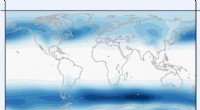
* Areas near the equator receive more direct sunlight and therefore have warmer temperatures than areas near the poles.
2. Earth's Rotation and Tilt:
* Earth's rotation creates the Coriolis effect, which influences wind patterns and ocean currents.
* The tilt of Earth's axis causes seasonal variations in the amount of sunlight received by different parts of the globe.
3. Atmospheric Circulation:
* The uneven heating of Earth's surface creates air pressure differences, leading to winds.
* Large-scale atmospheric circulation patterns like Hadley cells, Ferrel cells, and polar cells redistribute heat and moisture across the globe.
4. Ocean Circulation:
* Ocean currents transfer heat from the tropics to the poles, influencing regional climates.
* The interaction between the atmosphere and ocean (e.g., El Niño-Southern Oscillation) can significantly impact weather patterns.
5. Topography:
* Mountains can block winds and create rain shadows, leading to variations in precipitation and temperature.
* Landforms also influence the reflectivity of sunlight (albedo), which can impact local temperatures.
6. Human Activity:
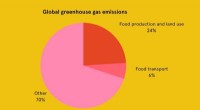
* Humans are increasingly influencing the climate system through activities such as burning fossil fuels, deforestation, and agriculture.
* These activities contribute to greenhouse gas emissions, which trap heat in the atmosphere and lead to global warming.
7. Other factors:
* Volcanic eruptions: Can release aerosols into the atmosphere, which can cool the planet.
* Solar activity: Variations in solar radiation can influence Earth's climate over long periods.
In summary:
Understanding how these factors interact helps us predict weather patterns and long-term climate changes. While the Sun's energy is the fundamental driver, the complex interplay of other factors creates the diverse climates and weather events we experience on Earth.