1. Pioneer Stage: This is the very first stage, where life starts to colonize a barren area. It's often dominated by pioneer species, like lichens and mosses, that can survive in harsh conditions with minimal nutrients. These organisms break down rock, creating soil for future plants.
2. Early Successional Stage: As soil develops, grasses, ferns, and fast-growing shrubs begin to appear. They provide more food and shelter, attracting insects and small animals. This stage is often characterized by high species diversity and rapid growth.
3. Mid-Successional Stage: This stage sees the emergence of larger plants like trees, creating a more complex ecosystem. Competition for resources increases, and the community becomes more stable.
4. Climax Stage: This is the final stage, where a relatively stable ecosystem has been established. The dominant species are those best adapted to the environment, and the community is highly diverse and resilient. However, it's important to remember that even climax communities can be disrupted by disturbances, starting the succession process again.
Important notes:
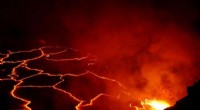
* Primary Succession: This occurs on newly formed land, like volcanic rock or sand dunes, where there was no previous soil or life. The process takes a long time to reach the climax stage.
* Secondary Succession: This occurs when an existing ecosystem is disrupted, such as by fire or deforestation. The soil remains, so the process is faster than primary succession.
* Disturbance: This is any event that disrupts the natural balance of an ecosystem, such as fire, flood, or human activity. Disturbances can set back succession to an earlier stage, or even initiate a new cycle.
Remember that these stages are general guidelines. The specific species and their sequence can vary depending on factors like climate, soil type, and geographic location.