* Water is a key ingredient: Photosynthesis requires water as a reactant. It's used to split water molecules, releasing electrons that power the process.
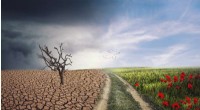
* Dehydration: Without rainfall, plants become dehydrated. This affects their ability to perform many vital functions, including photosynthesis.
* Stomata closure: To conserve water, plants close their stomata (tiny pores on leaves). This limits the intake of carbon dioxide, another essential ingredient for photosynthesis.
* Reduced chlorophyll production: Water stress can also hinder the production of chlorophyll, the pigment that absorbs light energy for photosynthesis.
Consequences:
* Reduced growth: Limited photosynthesis means less energy is available for growth and development.
* Withering: Severe drought can lead to wilting and even death of plants.
* Ecosystem disruption: Decreased plant productivity has a ripple effect on the entire ecosystem, affecting food webs and overall biodiversity.
Important Note: Some plants have adaptations that allow them to survive in dry environments. These adaptations might include:
* Deep roots: Accessing groundwater reserves.
* Succulence: Storing water in their tissues.
* Leaf modifications: Reducing water loss through smaller or thicker leaves.
However, even these adaptations have limits, and prolonged drought can still negatively impact plant growth and survival.