Germany's relationship with the environment is complex and multifaceted, marked by both historical challenges and progressive efforts. Here's a breakdown of key aspects:
Historical Context:
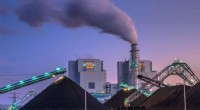
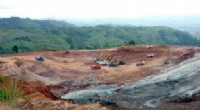
* Industrialization and Pollution: Germany's rapid industrialization in the 19th and 20th centuries led to severe environmental damage. Acid rain, deforestation, and air pollution became major concerns.
* Post-war Recovery: After World War II, Germany prioritized rebuilding its economy, leading to further environmental strain.
* Green Movement: The 1970s saw the rise of the German Green Party and a growing public awareness of environmental issues.
Current Actions and Trends:
* Renewable Energy Leader: Germany is a world leader in renewable energy, particularly solar and wind power. It has ambitious goals for phasing out fossil fuels.
* Strict Environmental Laws: Germany has a strong legal framework for environmental protection, including regulations on emissions, waste disposal, and conservation.
* Circular Economy: Germany is promoting a circular economy model, aiming to minimize waste and maximize resource efficiency.
* Sustainable Consumption: There's a growing movement toward sustainable consumption, with increasing demand for eco-friendly products and services.
* Climate Change Awareness: Germans are highly aware of climate change and its potential impact, contributing to the strong push for climate action.
Challenges and Critiques:
* Nuclear Power Debate: While phasing out coal, Germany's reliance on nuclear power remains controversial.
* Transportation Emissions: Despite efforts in renewable energy, transportation emissions remain a significant challenge.
* Environmental Justice: Concerns exist regarding the unequal distribution of environmental burdens, particularly in marginalized communities.
Overall, Germany demonstrates a strong commitment to environmental protection. However, the journey toward sustainability is ongoing, with continuous efforts to address challenges and balance economic growth with environmental responsibility.
In summary, Germany's interaction with the environment is characterized by:
* Historical legacy of environmental damage.
* Strong commitment to environmental protection and sustainability.
* Leading role in renewable energy and circular economy initiatives.
* Ongoing challenges, including transportation emissions and environmental justice concerns.
* A complex relationship between economic development and environmental responsibility.
It's important to remember that these are just broad observations. The actual relationship between Germans and the environment is influenced by various factors, including individual attitudes, political decisions, and economic realities.