Natural Factors:
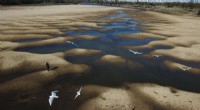
* Drought: Lack of sufficient rainfall can severely impact plant growth and development.
* Flooding: Excessive rainfall or overflowing rivers can damage crops by drowning them, washing away soil, and creating disease-prone conditions.
* Hailstorms: Large hailstones can severely damage crops, especially fruits and vegetables.
* Extreme temperatures: Both extreme heat and frost can damage or kill crops.
* Storms: High winds, tornadoes, and hurricanes can cause significant crop damage.
* Pests: Insects, rodents, birds, and other pests can feed on crops, causing damage and reducing yield.
* Diseases: Plant diseases caused by fungi, bacteria, or viruses can spread rapidly and destroy entire crops.
Human Factors:
* Poor farming practices: Inadequate soil management, improper fertilization, and lack of pest control can lead to crop failure.
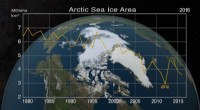
* Climate change: Rising temperatures, changes in rainfall patterns, and more frequent extreme weather events are increasing the risk of crop failure.
* Pollution: Air and water pollution can damage crops and make them unsuitable for consumption.
* Deforestation: Loss of forests can lead to soil erosion, reduced rainfall, and more extreme weather events, all of which can impact agriculture.
* War and conflict: Conflicts can disrupt food production, distribution, and access, leading to food shortages and famine.
Other Factors:
* Lack of access to resources: Farmers in developing countries often lack access to fertilizers, pesticides, irrigation, and other resources needed for successful crop production.
* Market volatility: Fluctuations in market prices can make it difficult for farmers to make a profit and can lead to overproduction or underproduction.
It's important to note that the specific factors that can destroy harvests will vary depending on the region, crop, and other factors.