The biosphere is the zone of life on Earth, encompassing all living organisms and their environments. It's a complex and interconnected system that extends from the deepest ocean trenches to the highest mountain peaks, though most life is concentrated in the thin layer of the planet where land, air, and water interact.
Here's how the biosphere relates to Earth's other spheres:
1. Geosphere: The biosphere interacts with the geosphere (Earth's solid, rocky part) in several ways:
* Soil Formation: Plants and microorganisms break down rocks, forming soil that provides nutrients and habitat for other organisms.
* Erosion: Wind and water, often aided by living organisms, erode the land, shaping landscapes and transporting sediments.
* Mineral Cycling: Living organisms extract minerals from the geosphere and release them back into the environment, contributing to the cycling of essential elements.
2. Hydrosphere: The hydrosphere (Earth's water) is vital for life and heavily influenced by the biosphere:
* Photosynthesis: Plants and algae use water for photosynthesis, releasing oxygen into the atmosphere.
* Water Filtration: Microorganisms purify water by breaking down pollutants and waste.
* Water Cycle: Plants contribute to the water cycle through transpiration, releasing water vapor into the atmosphere.
3. Atmosphere: The atmosphere (the layer of gases surrounding Earth) is also influenced by the biosphere:
* Oxygen Production: Photosynthesis by plants and algae releases oxygen, which is essential for most life on Earth.
* Carbon Dioxide Absorption: Plants absorb carbon dioxide during photosynthesis, regulating its concentration in the atmosphere.
* Climate Regulation: Vegetation can influence temperature and precipitation patterns through shade, evaporation, and wind resistance.
4. Interdependence: The four spheres are not isolated but interdependent in a complex web of interactions. Changes in one sphere can have significant impacts on the others.
Examples:
* Climate Change: The burning of fossil fuels, a human activity impacting the atmosphere, has a profound impact on the biosphere, leading to changes in plant and animal life distribution and increased extinction rates.
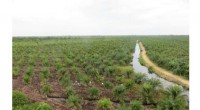
* Deforestation: Clearing forests (part of the biosphere) impacts the hydrosphere (reduced water infiltration, increased runoff) and the geosphere (soil erosion, landslides).
Understanding the interconnectedness of Earth's spheres is crucial for addressing environmental issues and promoting sustainable practices. It helps us appreciate the complexity and fragility of the planet we inhabit and the importance of preserving the delicate balance of life.