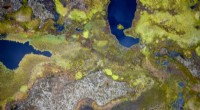
1. Minerals and Rocks:
* Fossil Fuels: Coal, oil, and natural gas are formed from the decomposition of ancient organisms over millions of years. These are vital energy sources for many industries and transportation.
* Metals: Iron, copper, aluminum, gold, and other metals are mined from the earth's crust. They are used in construction, manufacturing, electronics, and jewelry.
* Building Materials: Stone, sand, gravel, and clay are used in construction, road building, and various other purposes.
* Gemstones: Diamonds, emeralds, rubies, and other gemstones are prized for their beauty and value.
2. Water:
* Surface Water: Rivers, lakes, and oceans provide drinking water, irrigation water for agriculture, and water for industrial processes.
* Groundwater: Water stored beneath the earth's surface is extracted for similar purposes.
3. Air:
* Oxygen: A vital component of respiration for all living things.
* Nitrogen: A key component of fertilizers and other industrial processes.
4. Other Nonliving Resources:
* Soil: Formed from the weathering of rocks and organic matter, soil supports plant life and provides nutrients for agriculture.
* Sunlight: Provides energy for solar panels and is essential for plant growth.
* Wind: Used for wind power generation.
* Geothermal Energy: Heat from the Earth's interior is used for electricity generation and other purposes.
It's important to note:
* Sustainable use: It is crucial to manage these nonliving resources responsibly to ensure their availability for future generations.
* Environmental impact: The extraction and processing of nonliving resources can have significant environmental impacts, including pollution, habitat destruction, and climate change.
By understanding the importance and impacts of these nonliving resources, we can strive to use them wisely and protect the ecosystems from which they are derived.