Housing and Infrastructure:
* Temperature: People in hot climates build homes with ample ventilation and cooling systems. Homes in cold climates are designed for insulation and heating.
* Precipitation: Areas with high rainfall require sturdy roofs and drainage systems, while arid regions focus on water conservation and drought-resistant landscaping.
* Natural Disasters: Coastal areas are vulnerable to hurricanes and floods, requiring specific construction codes and evacuation plans. Earthquake-prone regions prioritize seismic-resistant building designs.
Agriculture:
* Growing Seasons: The length and temperature of the growing season determine what crops can be cultivated in a region.
* Water Availability: Irrigation systems are essential in drier climates. Excessive rainfall can lead to crop damage.
* Pests and Diseases: Climate change influences the spread of pests and diseases, affecting agricultural yields.
Economy:
* Tourism: Climate influences tourism destinations, with warm climates attracting beachgoers and snow-covered mountains drawing skiers.
* Energy Consumption: Heating and cooling needs are significant factors in energy consumption, varying across regions.
* Natural Resources: Climate impacts the availability and utilization of natural resources, including water, timber, and minerals.
Culture:
* Food: Local cuisines often reflect available ingredients and climate conditions.
* Clothing: People adapt their clothing to the weather, from light summer fabrics to warm winter layers.
* Outdoor Recreation: Climate determines popular outdoor activities, ranging from surfing and hiking to ice skating and snowshoeing.
Climate Change Impacts:
* Sea Level Rise: Coastal communities face increasing flooding risks and erosion.
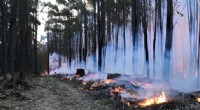
* Extreme Weather Events: More frequent and severe heat waves, droughts, wildfires, and hurricanes disrupt lives and infrastructure.
* Health Impacts: Rising temperatures and air pollution can lead to heat stroke, respiratory problems, and other health issues.
* Migration: Climate change can force people to relocate due to rising sea levels, droughts, or other environmental hazards.
Adapting to Climate Change:
* Infrastructure upgrades: Investments in flood defenses, sustainable water management, and resilient buildings are crucial.
* Renewable energy: Shifting towards renewable energy sources reduces greenhouse gas emissions.
* Agricultural innovations: Drought-tolerant crops and water-saving irrigation techniques help adapt to changing conditions.
* Community planning: Evacuation plans, early warning systems, and community-based adaptation strategies are vital.
Climate plays a multifaceted role in the lives of people across the US. Understanding its influence is essential for informed decision-making and ensuring a sustainable future.