Humans:
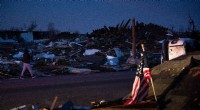
* Displacement and Loss of Home: Earthquakes and tsunamis often cause widespread destruction of homes and infrastructure. This forces people to relocate, leading to disrupted lives, economic hardship, and psychological stress.
* Changes in Living Conditions: The aftermath of these disasters can lead to overcrowding, lack of sanitation, and limited access to essential services like water and healthcare. This can contribute to disease outbreaks and further strain on resources.
* Shift in Economic Activity: The destruction of businesses and infrastructure can cause major disruptions in local economies, leading to unemployment, poverty, and difficulty in rebuilding.
* Social and Cultural Impact: The loss of lives, homes, and cultural heritage can deeply affect communities, causing social unrest, grief, and a sense of loss of identity.
Wildlife:
* Habitat Disruption: Earthquakes can trigger landslides, alter the landscape, and disrupt natural habitats, forcing wildlife to relocate or face challenges finding food and shelter.
* Loss of Food Sources: Tsunamis can destroy marine ecosystems, affecting food sources for coastal animals and leading to a decline in populations.
* Changes in Migration Patterns: Some species may alter their migration routes or patterns due to disrupted habitats or altered environmental cues.
* Increased Stress and Vulnerability: The combined stress of habitat loss, food scarcity, and potential injuries from the disaster can make wildlife more susceptible to diseases and predators.
Adaptation and Resilience:
* Human Adaptation: After a disaster, communities often engage in rebuilding efforts, focusing on disaster preparedness, early warning systems, and adopting sustainable practices to reduce future vulnerabilities.
* Wildlife Adaptation: Some species are more resilient than others and can adapt to changes in their environment. However, the long-term impact of significant habitat disruption can be challenging for wildlife populations to overcome.
It's important to note that the impact of earthquakes and tsunamis on humans and wildlife varies significantly depending on:
* Magnitude and location of the event: Larger and more powerful events have more widespread and destructive effects.
* Vulnerability of the affected population: Communities with limited resources and infrastructure are more vulnerable to the impacts of disaster.
* Environmental conditions: The ecological context of the affected area plays a crucial role in determining the impact on wildlife.
In conclusion, earthquakes and tsunamis are devastating events that can significantly alter both human and wildlife habits. While humans have the capacity for adaptation and rebuilding, the long-term consequences of these disasters can be profound for both communities and ecosystems.