Geography:
* Location: Central Europe, bordered by seven countries: Germany, Czech Republic, Slovakia, Ukraine, Belarus, Lithuania, and Russia (Kaliningrad Oblast).
* Size: 312,685 sq km (120,728 sq mi), making it the ninth-largest country in Europe.
* Topography: Predominantly lowland with rolling hills, with the highest point being Rysy (2,499 m) in the Tatra Mountains.
* Waterways: Numerous rivers, including the Vistula (the longest river in Poland), Oder, and Warta, as well as over 9,000 lakes.
* Climate: Temperate continental climate with hot summers and cold winters, influenced by the Baltic Sea.
* Terrain: Diverse, ranging from the Baltic coastal plain to the Carpathian Mountains, including the Sudetes, the Świętokrzyskie Mountains, and the Masurian Lake District.
Key Physical Features:
* Baltic Sea Coastline: 770 km (480 mi) with sandy beaches and dunes.
* Tatra Mountains: The highest mountain range in Poland, home to glaciers, alpine lakes, and forests.
* Masurian Lake District: A region of over 2,000 lakes, known for its scenic beauty and recreational activities.
* Vistula River: The longest river in Poland, flowing through the country's heart and providing important transportation routes.
* Białowieża Forest: A UNESCO World Heritage Site, one of the last remaining primeval forests in Europe.
* Carpathian Mountains: A vast mountain range spanning several countries, offering stunning views and hiking opportunities.
* Sudetes Mountains: A range of mountains bordering the Czech Republic, known for its mineral springs and ski resorts.
Natural Resources:
* Coal: Poland is rich in coal deposits, particularly hard coal, making it a major energy source.
* Copper: Poland is also a significant producer of copper.
* Sulphur: Other important resources include sulfur, natural gas, and timber.
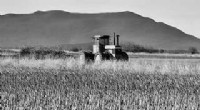
* Agriculture: Poland has fertile land, supporting a significant agricultural sector, including crops like wheat, barley, and potatoes.
Environmental Concerns:
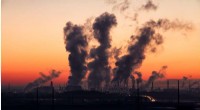
* Air pollution: Pollution from coal-fired power plants and industrial emissions is a major environmental challenge.
* Deforestation: Deforestation due to agriculture and urban development is a concern, leading to loss of biodiversity.
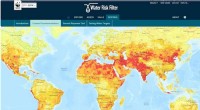
* Water pollution: Industrial waste and agricultural runoff contribute to water pollution in rivers and lakes.
Overall, Poland's physical characteristics offer a diverse landscape, ranging from scenic mountains and lakes to fertile plains and forests. The country's natural resources are both a blessing and a challenge, with the need to balance economic development with environmental sustainability.