1. Deforestation and Land Degradation:
* Causes: Increased demand for timber, agricultural land, and resources for construction and industry.
* Impacts: Loss of biodiversity, soil erosion, reduced carbon sequestration, and increased vulnerability to climate change.
2. Air and Water Pollution:
* Causes: Industrial emissions, burning fossil fuels, agricultural runoff, and inadequate waste management.
* Impacts: Respiratory diseases, waterborne illnesses, acid rain, and damage to ecosystems.
3. Climate Change:
* Causes: Increased greenhouse gas emissions from fossil fuel burning, deforestation, and industrial activity.
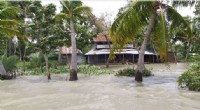
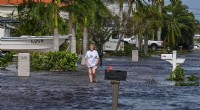
* Impacts: More extreme weather events, rising sea levels, changes in precipitation patterns, and impacts on agriculture and water resources.
4. Water Scarcity and Stress:
* Causes: Population growth, increasing demand for irrigation, and inefficient water management practices.
* Impacts: Competition for water resources, conflicts between sectors, and threats to food security.
5. Waste Management:
* Causes: Rapid urbanization, growing consumerism, and inadequate infrastructure for waste collection and treatment.
* Impacts: Pollution of air, water, and soil, health hazards, and aesthetic degradation.
6. Biodiversity Loss:
* Causes: Habitat loss and fragmentation, pollution, and invasive species.
* Impacts: Loss of ecosystem services, reduced resilience to environmental change, and potential for cascading effects on other species.
7. Illegal Wildlife Trade:
* Causes: Demand for wildlife products, poverty, and weak law enforcement.
* Impacts: Threatens endangered species, disrupts ecosystems, and can contribute to disease transmission.
8. Natural Resource Exploitation:
* Causes: Overexploitation of fisheries, unsustainable mining practices, and the pursuit of short-term economic gains.
* Impacts: Depletion of natural resources, ecological damage, and social conflicts.
Addressing these challenges requires a multi-pronged approach:
* Sustainable Development Strategies: Integrating environmental considerations into development plans, promoting sustainable resource management, and investing in renewable energy.
* Policy and Regulations: Establishing robust environmental regulations, incentivizing sustainable practices, and enforcing laws to protect natural resources.
* Capacity Building: Investing in education, research, and technology to enhance environmental awareness, knowledge, and skills.
* International Cooperation: Sharing knowledge, resources, and technology, and collaborating on transboundary environmental issues.
Ultimately, developing nations face the crucial task of balancing economic growth with environmental sustainability to achieve long-term prosperity and well-being for their citizens.