Here's why:
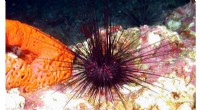
* Biodiversity is the variety of life on Earth, encompassing all species, their genetic diversity, and the ecosystems they form.
* Natural refers to processes and phenomena that occur without human intervention.
* Artificial refers to things created or modified by humans.
Natural processes are the primary drivers of biodiversity. Here's how:
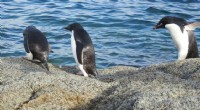
* Evolutionary processes: Natural selection, mutation, and genetic drift constantly create new species and drive adaptations, leading to diversity.
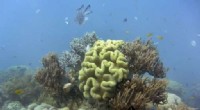
* Ecological interactions: Predation, competition, and symbiosis shape communities and influence species distribution and abundance.
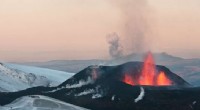
* Geological events: Volcanic activity, continental drift, and climate change can create new habitats, isolate populations, and lead to speciation.
Artificial interventions can have both positive and negative impacts on biodiversity:
Negative impacts:
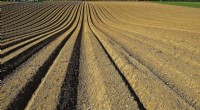
* Habitat destruction: Urban sprawl, deforestation, and agriculture convert natural habitats into human-dominated landscapes, leading to species loss.
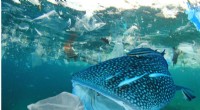
* Pollution: Air, water, and soil pollution can poison organisms, disrupt ecosystems, and lead to species decline.
* Climate change: Human-induced climate change is altering habitats, disrupting migration patterns, and causing extinctions.
* Invasive species: Humans introduce non-native species, which can outcompete native species and disrupt ecosystems.
Positive impacts:
* Conservation efforts: Protected areas, species reintroductions, and habitat restoration projects can help preserve and restore biodiversity.
* Sustainable agriculture: Practices like agroforestry and organic farming can promote biodiversity and reduce environmental impacts.
* Biotechnology: Genetic engineering and selective breeding can be used to improve crop yields and disease resistance, potentially supporting biodiversity.
Key takeaway:
While humans have the capacity to influence biodiversity, natural processes are the foundation of life's diversity. It's crucial to understand the potential consequences of our actions and strive to minimize negative impacts while promoting conservation and sustainable practices.