General Terms:
* Atmosphere: The layer of gases surrounding the Earth.
* Weather: The state of the atmosphere at a particular time and place, including temperature, humidity, precipitation, wind, and cloud cover.
* Climate: The long-term average weather patterns in a region.
* Meteorology: The study of weather and climate.
* Climate Change: The long-term shift in global or regional climate patterns.
* Climate Variability: Natural changes in climate over time, such as El Niño-Southern Oscillation.
Specific Weather Phenomena:
* Precipitation: Any form of water that falls to the Earth's surface, such as rain, snow, sleet, or hail.
* Temperature: The degree of hotness or coldness of the air.
* Humidity: The amount of moisture in the air.
* Wind: The movement of air, usually from areas of high pressure to areas of low pressure.
* Cloud: A visible mass of condensed water vapor floating in the atmosphere.
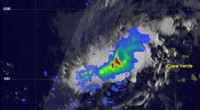
* Storm: A violent disturbance in the atmosphere, often accompanied by strong winds, precipitation, and lightning.
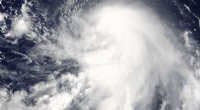
* Hurricane: A powerful rotating storm system that forms over tropical waters.
* Tornado: A violently rotating column of air extending from a thunderstorm to the ground.
* Drought: A prolonged period of abnormally low rainfall.
* Flood: An overflowing of water onto land that is normally dry.
Atmospheric Layers:
* Troposphere: The lowest layer of the atmosphere, where weather occurs.
* Stratosphere: The layer above the troposphere, containing the ozone layer.
* Mesosphere: The layer above the stratosphere, where most meteors burn up.
* Thermosphere: The layer above the mesosphere, characterized by very high temperatures.
* Exosphere: The outermost layer of the atmosphere, where it gradually merges with space.
Other Related Terms:
* Air Pressure: The weight of the atmosphere pressing down on the Earth's surface.
* Jet Stream: A narrow band of strong winds high in the atmosphere.
* El Niño: A climate pattern that occurs in the Pacific Ocean and can affect weather worldwide.
* La Niña: A climate pattern that is the opposite of El Niño.
* Greenhouse Effect: The warming of the Earth's surface caused by certain gases in the atmosphere that trap heat.
This list isn't exhaustive, but it provides a good starting point for understanding the vast vocabulary associated with Earth's weather and atmosphere.