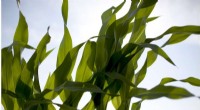
* Sunlight: Producers like plants use sunlight for photosynthesis, the process of converting light energy into chemical energy in the form of sugars.
* Water: Water is essential for photosynthesis and other biological processes within producers.
* Nutrients: Producers need essential nutrients from the soil, air, or water, such as nitrogen, phosphorus, and potassium.
* Carbon Dioxide: Producers use carbon dioxide from the atmosphere during photosynthesis.
* Temperature: Each species of producer has an optimal temperature range for growth.
While they don't directly depend on other living organisms for food, producers can be indirectly affected by:
* Decomposers: Decomposers break down dead organisms and waste, returning vital nutrients to the soil that producers can then absorb.
* Pollinators: Producers like flowering plants rely on animals like insects and birds for pollination, which is essential for reproduction and seed production.
* Herbivores: While producers are not directly dependent on herbivores, their populations can be influenced by grazing pressure.
In summary, producers are the foundation of an ecosystem and depend heavily on abiotic factors, but they also benefit from interactions with decomposers, pollinators, and herbivores.