1. Human Population:
* Demographics: The number of people, age distribution, gender, and density.
* Social structures: Families, communities, organizations, governments, and their influence on behavior and resource use.
* Culture and values: Beliefs, customs, and attitudes that shape how humans interact with their environment.
2. Environment:
* Physical Environment: Climate, landforms, water resources, soil, air quality, and biodiversity.
* Built Environment: Infrastructure like roads, buildings, and utilities that impact the natural environment and human activity.
3. Resources:
* Natural Resources: Water, air, land, minerals, forests, and wildlife.
* Human-Made Resources: Technology, infrastructure, knowledge, and financial capital.
4. Interactions and Flows:
* Resource Use: Humans utilize natural and human-made resources for food, shelter, energy, and other needs.
* Waste Generation: Byproducts of human activities, such as pollution and waste, impact the environment.
* Social and Economic Systems: These systems influence resource allocation, consumption patterns, and environmental impacts.
5. Feedback Loops:
* Positive Feedback Loops: Amplify changes in the ecosystem, such as population growth leading to increased resource use and environmental degradation.
* Negative Feedback Loops: Help regulate the ecosystem, such as pollution causing resource depletion, leading to innovation and resource conservation.
Examples of Human Ecosystem Interactions:
* Urbanization: The growth of cities leads to changes in land use, resource consumption, and pollution.
* Agriculture: Farming practices impact soil health, water quality, and biodiversity.
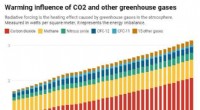
* Energy Production: Extraction and use of fossil fuels contribute to climate change.
* Transportation: Vehicles produce greenhouse gases and impact air quality.
Key Concepts:
* Sustainability: Meeting the needs of the present without compromising the ability of future generations to meet their own needs.
* Carrying Capacity: The maximum population an environment can sustain indefinitely.
* Resilience: The ability of a human ecosystem to adapt and recover from disturbances.
Understanding the human ecosystem is crucial for:
* Environmental Management: Developing strategies to minimize environmental impacts and promote sustainability.
* Social and Economic Development: Creating policies that promote equitable resource use and sustainable growth.
* Global Challenges: Addressing issues like climate change, resource depletion, and pollution.
It's important to remember that human ecosystems are complex and constantly evolving. Understanding how they function is essential for creating a sustainable future for all.