Ocean ecosystems are incredibly diverse, with a vast array of plants and animals inhabiting different zones. Here's a glimpse into some of the major players:
Plants:
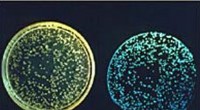
* Phytoplankton: Microscopic algae that form the base of the ocean food web. They produce their own food through photosynthesis and are responsible for a significant portion of Earth's oxygen production.
* Seaweeds: Larger algae that can grow in various forms, from long, stringy kelp to leafy, flat sheets. They provide habitat and food for many marine creatures.
* Seagrasses: Flowering plants adapted to live submerged in shallow water. They form meadows that offer protection and food for numerous species.
* Mangrove trees: Salt-tolerant trees that grow in intertidal zones. Their intricate root systems provide shelter and breeding grounds for various marine animals.
Animals:
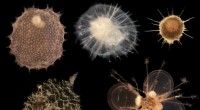
1. Zooplankton: Tiny animals that feed on phytoplankton and other zooplankton. They include copepods, jellyfish, and krill, playing a vital role in the ocean food chain.
2. Fish: A vast array of fish species inhabit different ocean zones, from tiny gobies to massive whalesharks. They occupy diverse niches, from coral reefs to the deep ocean.
3. Invertebrates: This group includes a wide variety of animals without backbones, including crabs, lobsters, shrimp, sea urchins, starfish, and octopuses. They play important roles in the ocean ecosystem, from cleaning up the seabed to scavenging for food.
4. Marine mammals: Whales, dolphins, seals, sea lions, and manatees are all adapted to life in the ocean. They range from filter feeders like baleen whales to apex predators like killer whales.
5. Reptiles: Sea turtles, sea snakes, and marine iguanas are some of the reptiles that have adapted to life in the ocean. They are often adapted for swimming, diving, and hunting in the marine environment.
6. Birds: Many bird species, like penguins, gulls, and albatrosses, rely on the ocean for food and nesting sites. They play a crucial role in regulating fish populations and dispersing seeds.
Ocean Zones:
* Intertidal Zone: The area between high and low tide marks, with fluctuating water levels, salinity, and temperatures.
* Neritic Zone: The shallow water zone over the continental shelf, rich in nutrients and sunlight, supporting abundant life.
* Oceanic Zone: The vast open ocean, divided into further zones based on depth and light penetration.
* Benthic Zone: The ocean floor, where diverse communities thrive in darkness, adapting to the unique pressures and conditions.
The Importance of Ocean Ecosystems:
Ocean ecosystems are crucial to the health of our planet. They provide us with food, oxygen, and regulate climate. Protecting and preserving these vital ecosystems is essential for the well-being of all life on Earth.