Climate and Weather:
* Temperature Regulation: Wind helps distribute heat across the globe, moderating temperatures in different regions. It can bring cooler air to warm areas and warmer air to colder areas.
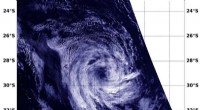
* Weather Patterns: Wind drives weather systems, influencing the formation of clouds, precipitation, and storms. It plays a crucial role in the movement of air masses, leading to changes in temperature, humidity, and atmospheric pressure.
* Ocean Currents: Wind drives ocean currents, which distribute heat and nutrients throughout the oceans, influencing marine ecosystems and global climate patterns.
Ecosystems:
* Pollination: Wind carries pollen, enabling the pollination of many plants, including grasses, trees, and some flowers.
* Seed Dispersal: Wind helps disperse seeds over long distances, promoting plant colonization and biodiversity.
* Nutrient Cycling: Wind can transport nutrients, like dust and pollen, from one place to another, enriching soil and supporting plant growth.
Human Activities:
* Energy Generation: Wind is a renewable energy source, powering wind turbines to generate electricity.
* Transportation: Wind has been used for sailing ships and windmills for centuries, and it continues to play a role in transportation through sailing and wind-powered vehicles.
* Recreation: Wind is essential for activities like sailing, kite flying, and windsurfing.
Other Importances:
* Erosion and Weathering: Wind can cause erosion and weathering of rocks and soil, shaping landscapes and creating unique geological formations.
* Atmospheric Cleansing: Wind helps disperse pollutants and clear the air, improving air quality.
* Climate Change: Wind patterns are affected by climate change, which can have significant consequences for weather and ecosystems.
In conclusion, wind is an essential force of nature with far-reaching impacts on climate, ecosystems, human activities, and the planet as a whole.