Here are some of the key physical environmental factors that influence life in ecology:
1. Climate:
* Temperature: Affects metabolic rates, growth, and the distribution of species.
* Precipitation: Determines water availability, which impacts plant growth and the distribution of animal life.
* Sunlight: Provides energy for photosynthesis and influences the timing of biological events (e.g., migration, breeding).
* Wind: Can increase water loss, affect plant growth, and influence the dispersal of organisms.
2. Topography:
* Elevation: Affects temperature, precipitation, and sunlight exposure, creating distinct ecological zones.
* Slope: Influences the distribution of water, soil types, and plant communities.
* Aspect: The direction a slope faces determines its exposure to sunlight and wind, affecting microclimates.
3. Water:
* Availability: Essential for all living organisms.
* Quality: Determines the suitability of water for drinking and supporting aquatic life.
* Salinity: Affects the types of organisms that can survive in a particular water body.
4. Soil:
* Texture: The size of soil particles influences water retention, aeration, and nutrient availability.
* Composition: The chemical makeup of soil determines its fertility and suitability for different plant species.
* pH: Influences the availability of nutrients and the growth of plants and microorganisms.
5. Light:
* Intensity: Affects photosynthesis and the growth of plants.
* Duration: Determines the length of the day and influences seasonal changes in biological activity.
* Quality: The wavelength of light affects the ability of plants to photosynthesize.
6. Fire:
* Frequency: Influences the composition of plant communities.
* Intensity: Can destroy vegetation but also release nutrients into the soil.
* Seasonality: Affects the timing of fires and their impact on ecosystems.
7. Natural Disasters:
* Floods: Can alter landscapes and disrupt ecosystems.
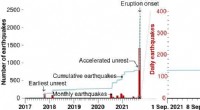
* Earthquakes: Can cause widespread damage and habitat loss.
* Volcanic eruptions: Can release toxic gases and ash, impacting plant and animal life.
8. Human Impact:
* Pollution: Contaminates water, air, and soil, harming ecosystems.
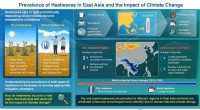
* Climate change: Alters temperatures, precipitation patterns, and sea levels, impacting biodiversity and ecosystem functioning.
* Habitat destruction: Reduces the availability of suitable habitats for wildlife.
These physical environmental factors interact in complex ways to shape the distribution, abundance, and diversity of life on Earth. Understanding these interactions is crucial for conservation efforts and managing natural resources.