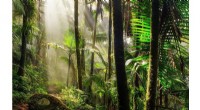
Forests:
* Coniferous: The park is dominated by coniferous forests, with species like Douglas fir, western hemlock, western redcedar, and subalpine fir at lower elevations. Higher up, you'll find lodgepole pine, mountain hemlock, and whitebark pine.
* Deciduous: While less prevalent, deciduous trees like bigleaf maple, red alder, and black cottonwood grow in moist valleys and along streams.
Alpine and Subalpine:
* Wildflowers: Mount Rainier is known for its stunning wildflowers. Species you may encounter include avalanche lilies, lupines, paintbrush, beargrass, and many more.
* Shrubs: In the alpine zone, you'll find shrubs like huckleberry, mountain heather, and rhododendron.
* Grasses: Alpine meadows are home to grasses like fescue and bluegrass.
Other Notable Plants:
* Lichens and Mosses: These thrive on rocks and trees, adding to the park's unique ecosystem.
* Ferns: The park harbors a variety of fern species, including sword ferns and lady ferns.
* Mushrooms: From chanterelles to boletes, a fascinating array of mushrooms sprout in the forests.
Important Considerations:
* Elevation: Plant communities change dramatically with altitude. Lower elevations have lush forests, while the alpine zone is characterized by smaller, hardy plants.
* Microclimates: The park's diverse topography creates a variety of microclimates, influencing the distribution of plants.
* Wildflower season: The peak season for wildflowers is typically late July and August, but you can find blooms throughout the summer months.
Remember:
* Be mindful of the park's regulations and avoid disturbing or picking plants.
* Check out park ranger programs for more detailed information about the flora and fauna.
Enjoy exploring the amazing plant life of Mount Rainier National Park!